Conversations with scientists
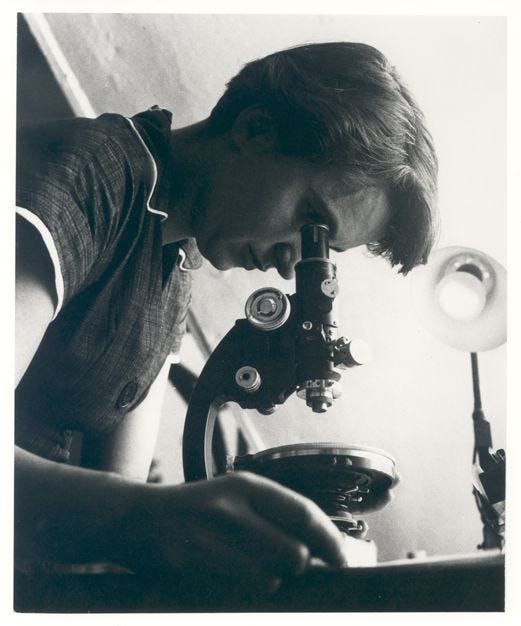
British chemist and X-ray crystallographer, Dr Rosalind Franklin (1920-1958)

Hello, and welcome to Cambridge Ladies’ Dining Society. This piece reflects my personal take on historic events, with suggestions for further reading at the end. I have edited my post to include a quotation from Cobb and Comfort’s 2023 Nature article on these events, and Cambridge physicist professor Dame Athene Donald’s views on Rosalind Franklin and women in science today. (10 Nov 2025)
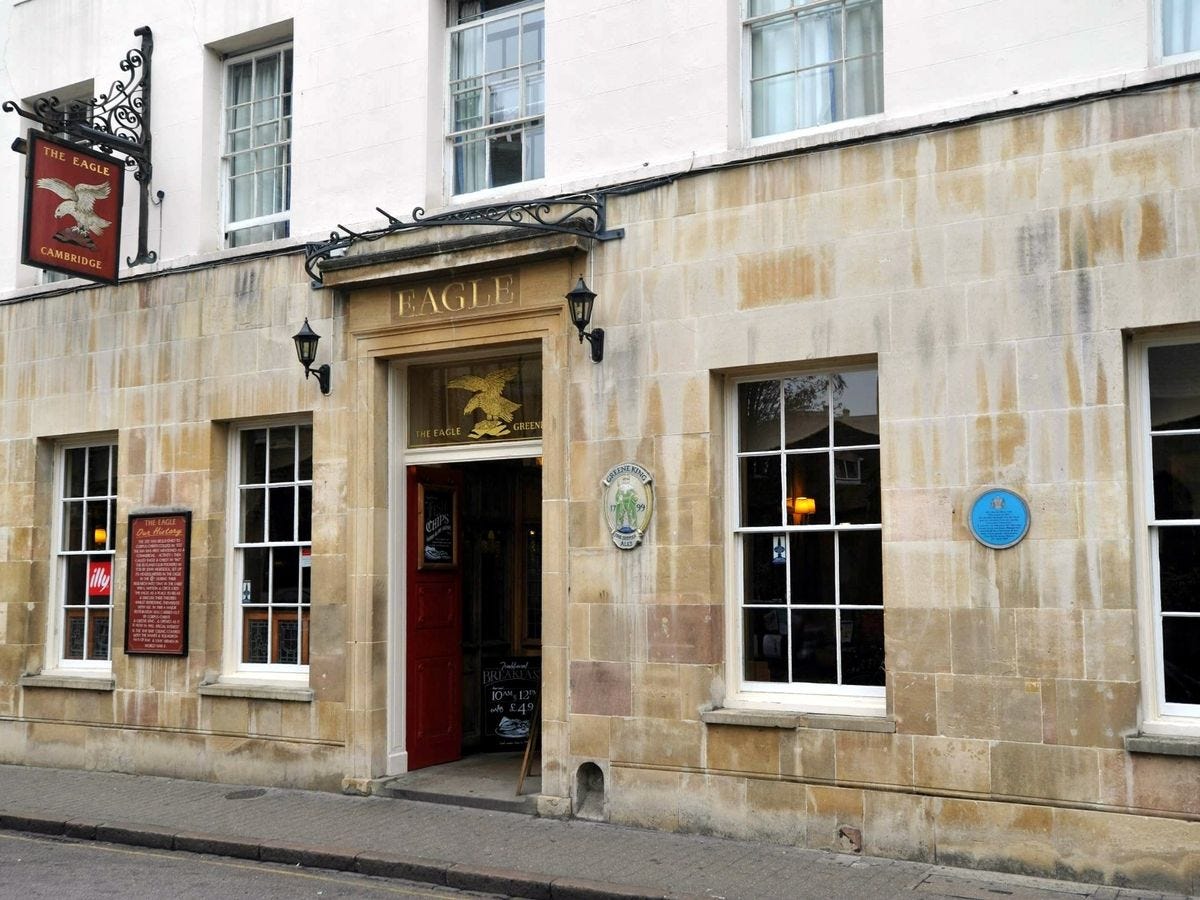
This week has seen many articles and obituaries dedicated to the work of the American scientist James Watson, who died on 6 November at the age of 97. In later years he was infamous for his repellent views on race and genetics, and rightly ostracized by the scientific community. But he is most famous for identifying the double-helix structure of DNA along with with British scientist Francis Crick, in 1953. It’s now generally acknowledged that Watson and Crick’s breakthrough, which followed a conversation between the two men in the Eagle Pub in Cambridge (see below), owed much to the research of other scientists including Maurice Wilkins and Rosalind Franklin among others. However, only three of these – Watson, Crick and Wilkins – were awarded the Nobel Prize for Physiology or Medicine in 1962. Franklin had died of ovarian cancer in 1958, so she was not eligible for the prize.
But long before then, the men were talking to one another and using Franklin’s research notes without her permission; effectively, these male scientists did not include Rosalind Franklin in their conversations about the structure of DNA. This is an extra post for my paying subscribers; thanks for your support.